


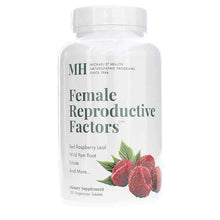
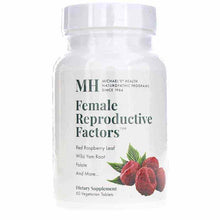
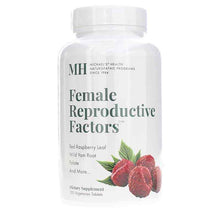
Female Reproductive Factors


Product Details
Female Reproductive Factors provides nutrients that are essential for a healthy conception and pregnancy and supports the proper functioning of the entire reproductive system.
- Provides nutrients essential for supporting a healthy conception and pregnancy
- Nutrients support the proper functioning of the entire reproductive system
- Combines Vitamin C and bioflavonoids
- Contains Opti-Zinc with folate, beta carotene and EFAs
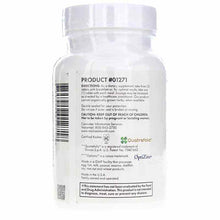
- Certified Kosher
- Made in a GMP facility
The following information is provided to help you better understand the role that certain nutrients play in the overall health during the reproductive cycle, as well as the pregnancy and lactation processes of reproduction. Those nutrients are:
Vitamin A is necessary during pregnancy and lactation. Since fetal requirements for vitamin A increase maternal needs, a 25% increase over pre-pregnancy intake is advised by many experts. Beta Carotene is the preferred source for vitamin A. It is non-toxic because the body converts beta carotene into vitamin A only as it is needed.
Vitamin C during pregnancy the need increases. Breast milk contains a wide variance of vitamin C. It is essential for the absorption of inorganic iron, functions in the production of collagen, and is essential for the immune system.
Vitamin D is an important nutrient in the reproductive cycle. It facilitates calcium absorption and participates in bone metabolism.
Vitamin E is essential for the hair, skin and mucous membranes. It also participates in the synthesis of hemoglobin.
B-Complex vitamins should be considered during pregnancy for two reasons: blood levels generally decline during pregnancy; and, fetal levels exceed those in the mother, reflecting active transport across the placenta. Studies indicate that B-6 needs tend to increase in pregnant women with diets rich in proteins. Vitamin B-6 is necessary for the proper functioning of both nerves and muscles, including pressure-sensitive nerve cells and cardiac muscles. Thiamin is important for carbohydrate metabolism, digestion, and the functioning of the heart. Vitamin B-12 helps form normal red blood cells and a healthy nervous system. B-12 is important for the role it plays in DNA synthesis.
Folic Acid is necessary for growth, the division of cells and for the formation of red blood cells. It helps with reproduction and it is necessary for the health of the glands and the liver. There is evidence that adequate intakes of folic acid during childbearing years may reduce the risk of neural tube defect pregnancy. About 25% of normal pregnant women in the United States have marginal to low serum levels.
Niacin is a B-complex nutrient that plays a role in growth and the proper functioning of the nervous system.
Pantothenic Acid is essential for growth, contributes to energy functions and is necessary for the skin.
Calcium is a mineral that is necessary for the metabolism, the building, of bones and teeth. Zinc aids in the metabolism of phosphorus and protein. Zinc also participates in the metabolism of RNA.
Suggested Usage
Ingredients
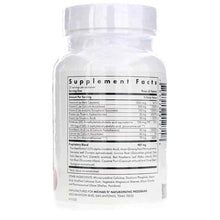
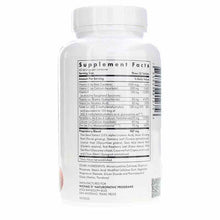
Servings Per Container: 20
Vitamin A (as Beta Carotene) 1500mcg 167%
Vitamin C (as Calcium Ascorbate) 500mg 556%
Vitamin E (as d-alpha Tocopherol Succinate) 150mg 1,000%
Thiamin (as Thiamin Hydrochloride) 50mg 4,167%
Niacin (As Nicotinic Acid) 50mg 313%
Folate 138mcg DFE 35%
-(as [6S]-5-methyltetrahydrofolic acid equivalent to 150mcg of [6S]-5-Methyltetrahydrofolic acid, glucosamine salt)
Pantothenic Acid (as d-Calcium Pantothenate) 50mg 1,000%
Calcium (as Calcium Ascorbate) 60mg 5%
Zinc (as Zinc Monomethionine) 75mg 682%
Proprietary Blend 987mg
-Flax Seed Extract (55% alpha-Linolenic Acid), Asian Ginseng Root (Panax ginseng), Damiana Leaf (Turnera aphrodisiaca), Licorice Root (Glycyrrhiza glabra), Gotu Kola (Aerial Part) (Centella asiatica), Red Raspberry Leaf (Rubus idaeus), Wild Yam Root (Dioscorea villosa), Cayenne Fruit (Capsicum annuum) and Clove (Stem) (Syzygium aromaticum).
Other Ingredients: Microcrystalline Cellulose, Dicalcium Phosphate, Stearic Acid, Modified Cellulose Gum, Vegetable Magnesium Stearate, Silicon Dioxide and Pharmaceutical Glaze (Shellac, Povidone).
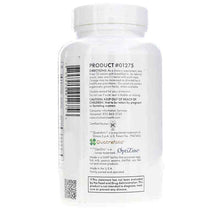
Made in a GMP facility that processes egg, fish, milk, shellfish, soy, tree nut and wheat products.
Warnings
Female Reproductive Factors provides nutrients that are essential for a healthy conception and pregnancy and supports the proper functioning of the entire reproductive system.
- Provides nutrients essential for supporting a healthy conception and pregnancy
- Nutrients support the proper functioning of the entire reproductive system
- Combines Vitamin C and bioflavonoids
- Contains Opti-Zinc with folate, beta carotene and EFAs
- Certified Kosher
- Made in a GMP facility
The following information is provided to help you better understand the role that certain nutrients play in the overall health during the reproductive cycle, as well as the pregnancy and lactation processes of reproduction. Those nutrients are:
Vitamin A is necessary during pregnancy and lactation. Since fetal requirements for vitamin A increase maternal needs, a 25% increase over pre-pregnancy intake is advised by many experts. Beta Carotene is the preferred source for vitamin A. It is non-toxic because the body converts beta carotene into vitamin A only as it is needed.
Vitamin C during pregnancy the need increases. Breast milk contains a wide variance of vitamin C. It is essential for the absorption of inorganic iron, functions in the production of collagen, and is essential for the immune system.
Vitamin D is an important nutrient in the reproductive cycle. It facilitates calcium absorption and participates in bone metabolism.
Vitamin E is essential for the hair, skin and mucous membranes. It also participates in the synthesis of hemoglobin.
B-Complex vitamins should be considered during pregnancy for two reasons: blood levels generally decline during pregnancy; and, fetal levels exceed those in the mother, reflecting active transport across the placenta. Studies indicate that B-6 needs tend to increase in pregnant women with diets rich in proteins. Vitamin B-6 is necessary for the proper functioning of both nerves and muscles, including pressure-sensitive nerve cells and cardiac muscles. Thiamin is important for carbohydrate metabolism, digestion, and the functioning of the heart. Vitamin B-12 helps form normal red blood cells and a healthy nervous system. B-12 is important for the role it plays in DNA synthesis.
Folic Acid is necessary for growth, the division of cells and for the formation of red blood cells. It helps with reproduction and it is necessary for the health of the glands and the liver. There is evidence that adequate intakes of folic acid during childbearing years may reduce the risk of neural tube defect pregnancy. About 25% of normal pregnant women in the United States have marginal to low serum levels.
Niacin is a B-complex nutrient that plays a role in growth and the proper functioning of the nervous system.
Pantothenic Acid is essential for growth, contributes to energy functions and is necessary for the skin.
Calcium is a mineral that is necessary for the metabolism, the building, of bones and teeth. Zinc aids in the metabolism of phosphorus and protein. Zinc also participates in the metabolism of RNA.
Servings Per Container: 20
Vitamin A (as Beta Carotene) 1500mcg 167%
Vitamin C (as Calcium Ascorbate) 500mg 556%
Vitamin E (as d-alpha Tocopherol Succinate) 150mg 1,000%
Thiamin (as Thiamin Hydrochloride) 50mg 4,167%
Niacin (As Nicotinic Acid) 50mg 313%
Folate 138mcg DFE 35%
-(as [6S]-5-methyltetrahydrofolic acid equivalent to 150mcg of [6S]-5-Methyltetrahydrofolic acid, glucosamine salt)
Pantothenic Acid (as d-Calcium Pantothenate) 50mg 1,000%
Calcium (as Calcium Ascorbate) 60mg 5%
Zinc (as Zinc Monomethionine) 75mg 682%
Proprietary Blend 987mg
-Flax Seed Extract (55% alpha-Linolenic Acid), Asian Ginseng Root (Panax ginseng), Damiana Leaf (Turnera aphrodisiaca), Licorice Root (Glycyrrhiza glabra), Gotu Kola (Aerial Part) (Centella asiatica), Red Raspberry Leaf (Rubus idaeus), Wild Yam Root (Dioscorea villosa), Cayenne Fruit (Capsicum annuum) and Clove (Stem) (Syzygium aromaticum).
Other Ingredients: Microcrystalline Cellulose, Dicalcium Phosphate, Stearic Acid, Modified Cellulose Gum, Vegetable Magnesium Stearate, Silicon Dioxide and Pharmaceutical Glaze (Shellac, Povidone).
Made in a GMP facility that processes egg, fish, milk, shellfish, soy, tree nut and wheat products.